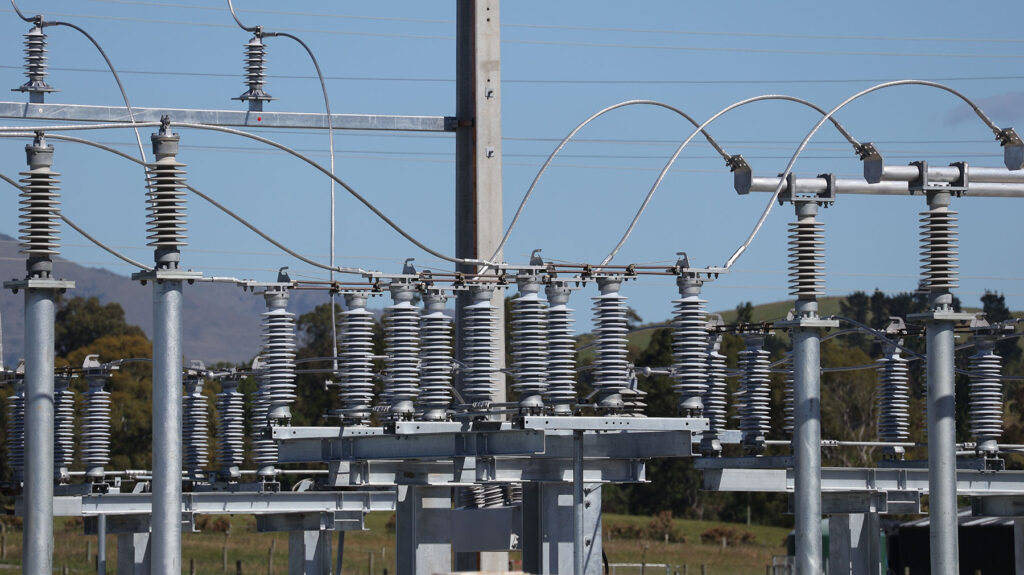
To support continued growth on the North Canterbury power network, MainPower has developed and commissioned the Thongcaster Road Solar Farm. This also strengthens the security of the power supply and increases the contribution of renewable energy to the local network.
The solar farm is connected to the network and exporting renewable electricity into the North Canterbury distribution system while final performance testing and verification activities continue.
This project combines renewable electricity generation with targeted network upgrades. This helps improve our local network capacity while supporting future electrification and renewable energy connections across the region. The solar farm supports MainPower’s long-term commitment to network resilience, sustainability and community value.
Designed to integrate with the surrounding rural environment and developed with the necessary land use and environmental approvals, the Thongcaster Road Solar Farm ensures productive land use continues with stock grazing beneath the solar panels and native planting around the site perimeter providing environmental enhancement and integration with the landscape.
The project included:
Construction of a utility-scale solar farm with associated inverters and onsite electrical infrastructure.
Installation of electrical infrastructure to connect the solar farm to the local network and enable electricity exports.
Distribution network upgrades to improve security of supply and support future renewable generation and network growth.
Commissioning of the solar farm and commencement of electricity exports to the MainPower network.
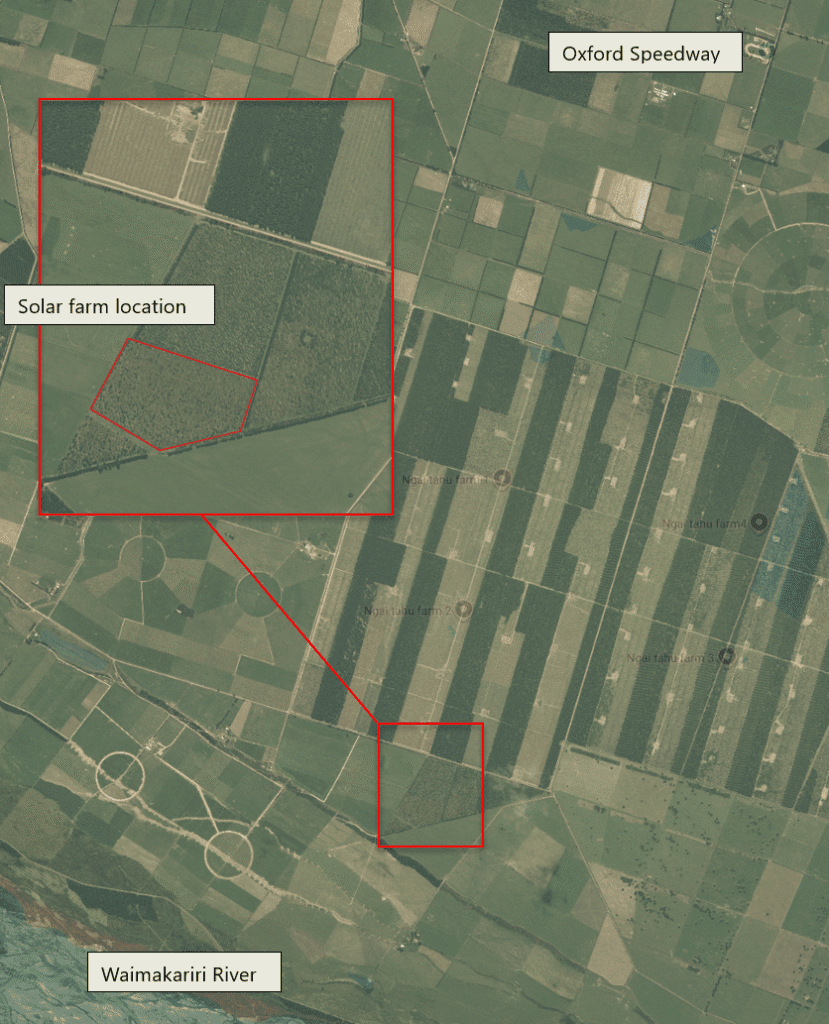
Construction will involve vehicle movements, earthworks for foundations and cable trenching, and upgrades to the local electricity network. All works will be carried out in accordance with consent conditions, including requirements for traffic management, noise, dust and environmental controls.
The site is not classified as highly productive land. Stock grazing can continue beneath the solar panels, and the project is designed to minimise impacts on land productivity during its operation and after decommissioning.
Solar panels and associated infrastructure will be located no closer than seven metres from site boundaries. This setback includes native planting to help screen the site.
A three-metre-wide planting strip of native vegetation will be established around the site perimeter. Existing vegetation will be retained where possible, and more visually prominent infrastructure such as the substation will be screened. The distance from Thongcaster Road and other nearby roads further reduces visual effects.
Fire risk has been assessed in consultation with Fire and Emergency New Zealand. Measures include low-flammability planting, onsite water storage, maintained access for emergency vehicles, fire detection systems and clearly identified isolation procedures for solar panels.
No changes to existing stormwater or flooding patterns are expected. Runoff will be managed using swales, planting and setbacks, including a buffer to the nearby stock water race, in line with Environment Canterbury requirements.
As part of the consenting process, MainPower completed a glint and glare assessment to assess any potential effects from the solar panels. The assessment found that glare effects for neighbouring properties and aircraft can be appropriately managed and do not present an adverse impact.
A bird strike assessment found a low to negligible risk to birds. Native planting will be used throughout the site to support local ecology.
Any disruption to local electricity supply will be minimised, particularly during commissioning, and managed in line with MainPower’s standard practices.
The electricity generated by the solar farm will contribute to North Canterbury’s supply of renewable energy and support the transition to a low‑carbon electricity system. While electricity pricing is not set at a local project level, the solar farm improves energy resilience and supports national emissions reduction goals.
The solar farm is expected to operate for approximately 30 years. At the end of its life, the land can either be returned to pasture or continue operating as a solar farm with upgraded panels, depending on future requirements and approvals.
MainPower has engaged with neighbouring landowners through the consent process and will continue to provide clear and regular communication throughout construction.
Please follow the link below to see technical FAQs answered.