
Thongcaster Road Solar Project

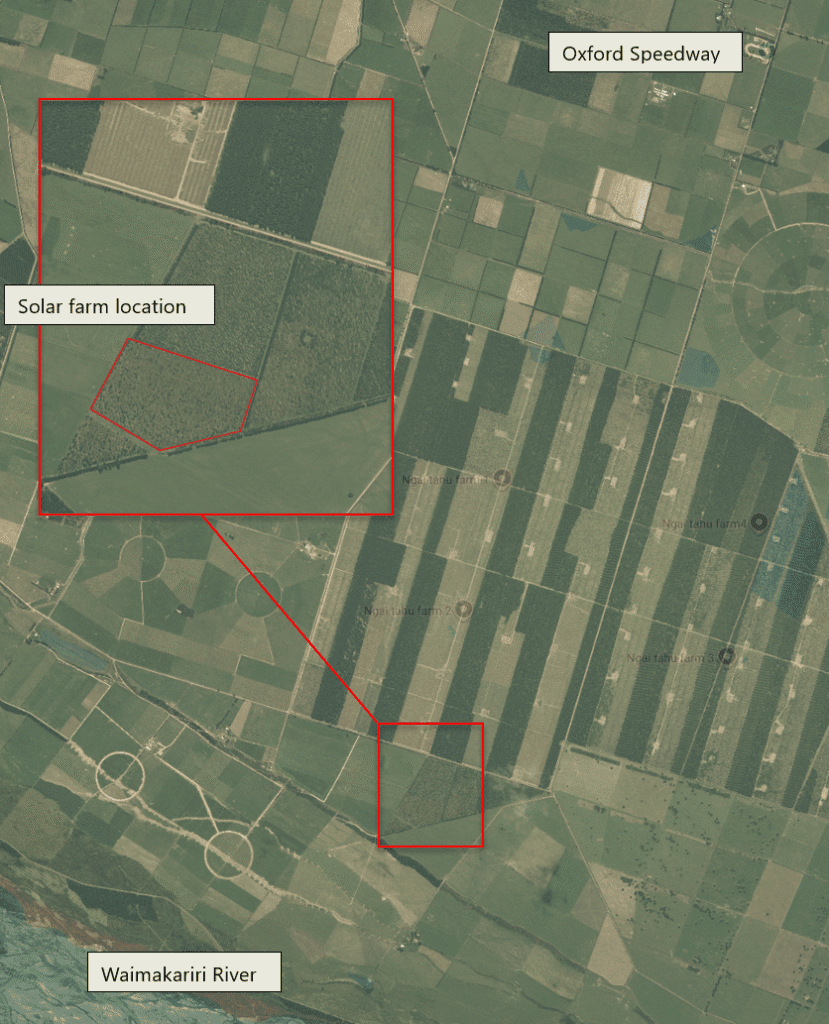
The North Canterbury network is experiencing increasing demand as the region continues to grow and electrify. To support this growth, strengthen security of supply and increase the contribution of renewable energy to the local network, MainPower is developing a solar farm at Thongcaster Road.

The Thongcaster Road Solar Farm will generate renewable electricity for North Canterbury while supporting network resilience through associated distribution network upgrades. The project allows electricity generated onsite to be exported into the local network, improving capacity and creating opportunities for future renewable energy developments to connect as the region transitions to a low‑carbon energy system.

The project has received the required land use and environmental consents and has been designed to integrate with the surrounding rural environment. Stock grazing will continue beneath the solar panels, and visual, environmental and fire risks will be managed through setbacks, native planting and site‑specific mitigation measures.

The project will be delivered in a single construction phase, including:

  • Construction of a solar farm with associated inverters and onsite substation.
  • Installation of electrical infrastructure to connect and export energy to the local network.
  • Upgrades to the distribution network to improve security of supply and enable future renewable generation.

Once operational, the Thongcaster Road Solar Farm will contribute renewable electricity to the North Canterbury network, supporting MainPower’s commitment to resilience, sustainability and long‑term value for the local community.
Thongcaster Road FAQs

If you don’t find the answers you need, please get in touch with our team.

What impacts will construction have on neighbours?

Construction will involve vehicle movements, earthworks for foundations and cable trenching, and upgrades to the local electricity network. All works will be carried out in accordance with consent conditions, including requirements for traffic management, noise, dust and environmental controls.

Will the project affect agricultural land?

The site is not classified as highly productive land. Stock grazing can continue beneath the solar panels, and the project is designed to minimise impacts on land productivity during its operation and after decommissioning.

How close is the solar farm to neighbouring properties?

Solar panels and associated infrastructure will be located no closer than seven metres from site boundaries. This setback includes native planting to help screen the site.

How will visual effects be managed?

A three-metre-wide planting strip of native vegetation will be established around the site perimeter. Existing vegetation will be retained where possible, and more visually prominent infrastructure such as the substation will be screened. The distance from Thongcaster Road and other nearby roads further reduces visual effects.

Is there a fire risk from the solar farm?

Fire risk has been assessed in consultation with Fire and Emergency New Zealand. Measures include low-flammability planting, onsite water storage, maintained access for emergency vehicles, fire detection systems and clearly identified isolation procedures for solar panels.

Will the project impact waterways, flooding or soil erosion?

No changes to existing stormwater or flooding patterns are expected. Runoff will be managed using swales, planting and setbacks, including a buffer to the nearby stock water race, in line with Environment Canterbury requirements.

Will there be glare or reflection from the solar panels for neighbours or aircraft?

As part of the consenting process, MainPower completed a glint and glare assessment to assess any potential effects from the solar panels. The assessment found that glare effects for neighbouring properties and aircraft can be appropriately managed and do not present an adverse impact.

Will wildlife or birds be affected?

A bird strike assessment found a low to negligible risk to birds. Native planting will be used throughout the site to support local ecology.

Will there be disruptions to power supply during construction?

Any disruption to local electricity supply will be minimised, particularly during commissioning, and managed in line with MainPower’s standard practices.

Will the solar farm result in cheaper electricity for the local community?

The electricity generated by the solar farm will contribute to North Canterbury’s supply of renewable energy and support the transition to a low‑carbon electricity system. While electricity pricing is not set at a local project level, the solar farm improves energy resilience and supports national emissions reduction goals.

How long will the solar farm operate for, and what happens at the end of its life?

The solar farm is expected to operate for approximately 30 years. At the end of its life, the land can either be returned to pasture or continue operating as a solar farm with upgraded panels, depending on future requirements and approvals.

How will the community be kept informed?

MainPower has engaged with neighbouring landowners through the consent process and will continue to provide clear and regular communication throughout construction.

Please follow the link below to see technical FAQs answered.
Other projects

Ashley River

Ashley to Coldstream 66kV Upgrade

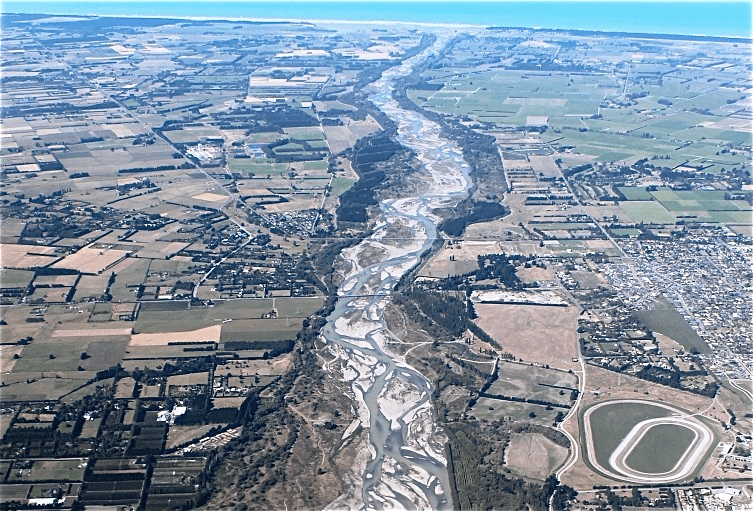
The Eastern area of the Waimakariri District has experienced significant growth due to residential and commercial development in the Pegasus…

Important notifications

Hot water load testing under way ahead of winter

Until mid‑April, we’re working closely with retailers to carry out hot water load testing as we prepare our network for the coming winter season.

These tests run for a couple of hours each day, Monday to Friday, with no testing taking place over weekends. Because each test window is relatively short, customers are unlikely to notice any changes to their hot water supply.

The purpose of this work is to help us better understand how much controllable load is available during the summer months. Gaining accurate insights now means we can model customer savings more effectively by reducing system load at peak times. It also helps us assess whether this load flexibility could assist Transpower in deferring an upcoming local transmission upgrade.

This testing is an important part of ensuring a resilient, efficient network that supports our community.

MainPower Trust elections

Voting is open for the 2026 MainPower Trust election.

Voting packs have been emailed or posted by Electionz.com to everyone who pays a power bill on the MainPower network. You need to have the unique ID provided to cast your vote.

If you haven’t received a voting pack, or can’t find it, you can get a replacement by contacting iro@electionz.com.  For full details of the candidates, visit mainpowertrust.co.nz/trustee-elections/

Make the most of this opportunity to have your say on the future of MainPower – and your community.

Voting closes midday Friday 6 March 2026. 

Privacy Policy

Is your outage not listed?

Troubleshoot your outage
Treat all lines as live during the outage period; power may be restored at any time. If you require further information, please call MainPower’s 24-hour faults line. To report an emergency, call 111.

Outage notifications

Hot water load testing under way ahead of winter

Until mid‑April, we’re working closely with retailers to carry out hot water load testing as we prepare our network for the coming winter season.

These tests run for a couple of hours each day, Monday to Friday, with no testing taking place over weekends. Because each test window is relatively short, customers are unlikely to notice any changes to their hot water supply.

The purpose of this work is to help us better understand how much controllable load is available during the summer months. Gaining accurate insights now means we can model customer savings more effectively by reducing system load at peak times. It also helps us assess whether this load flexibility could assist Transpower in deferring an upcoming local transmission upgrade.

This testing is an important part of ensuring a resilient, efficient network that supports our community.

MainPower Trust elections

Voting is open for the 2026 MainPower Trust election.

Voting packs have been emailed or posted by Electionz.com to everyone who pays a power bill on the MainPower network. You need to have the unique ID provided to cast your vote.

If you haven’t received a voting pack, or can’t find it, you can get a replacement by contacting iro@electionz.com.  For full details of the candidates, visit mainpowertrust.co.nz/trustee-elections/

Make the most of this opportunity to have your say on the future of MainPower – and your community.

Voting closes midday Friday 6 March 2026. 

Privacy Policy

Is your outage not listed?

Troubleshoot your outage
Treat all lines as live during the outage period; power may be restored at any time. If you require further information, please call MainPower’s 24-hour faults line. To report an emergency, call 111.

Quick links